
After almost a decade of helping travelers plan trips, I’ve noticed something interesting. The people who come to me with the biggest vacation regrets aren’t the ones who booked too late or chose the wrong destination. They’re the ones who made preventable travel mistakes during the booking process that cost them either thousands of dollars, wasted time, or worse, ruined what should have been their dream getaway.
If you’ve been traveling for decades like many of my clients, you probably think you’ve got this figured out. And honestly, you most likely know more than most people. But here’s what I’ve learned: experience and expertise are two different things. You might have visited 30 countries, but if you’re booking the way you did ten years ago, you’re leaving money on the table and missing out on experiences that are now available to savvy travelers.
The good news? These travel mistakes are completely avoidable. I’m going to walk you through the five biggest booking errors I see from experienced travelers, and more importantly, I’ll show you how to sidestep them. By the time you finish reading this, you’ll have a framework for booking smarter vacations that maximize your budget, minimize stress, and actually deliver the experiences you’re dreaming about.
Let’s dive in.
Mistake Number One: Booking Directly With Hotels and Airlines Without Comparing Rates

This one still surprises me, even after all these years. I’ll have a client who’s booked a hotel directly on the property’s website, feeling good about getting a “direct rate,” only to find out they could have saved 20 to 30 percent by booking through a third-party site or using a travel advisor’s preferred vendor relationships.
Here’s what’s happening behind the scenes. Hotels and airlines have complex pricing strategies. They don’t always offer their lowest rates on their own websites. In fact, many properties use dynamic pricing that adjusts based on demand, your browsing history, and even the device you’re using. A friend of mine discovered this the hard way when she booked a beachfront resort in Cancun directly. She paid $185 a night. Two weeks later, I found the same room on a consolidator site for $129 a night.
The mistake isn’t just about price, though. When you book directly, you lose leverage. You don’t have a third party advocating for you if something goes wrong. You don’t get the protections that many booking platforms offer. And you definitely don’t get the insider knowledge that a travel advisor brings to the table.
I have a client who used to always book his own trips. He was proud of it, honestly. But when he booked a cruise directly with the cruise line, he missed out on onboard credits, cabin upgrades, and special perks that were available through travel agencies. We recalculated what he actually paid versus what he could have paid, and the difference was staggering. He has yet to book directly again.
The solution is simple: use a travel advisor or at least compare rates across multiple platforms before you book. Check the hotel’s website, yes, but also look at Booking.com, Expedia, Hotels.com, and Kayak. For flights, don’t just check the airline’s website. Use Google Flights, Skyscanner, and Kayak to see all available options. And if you’re booking a package deal, that’s where a travel advisor really shines. We have access to rates and packages that the general public simply cannot find online.
Mistake Number Two: Ignoring Travel Insurance and Cancellation Policies
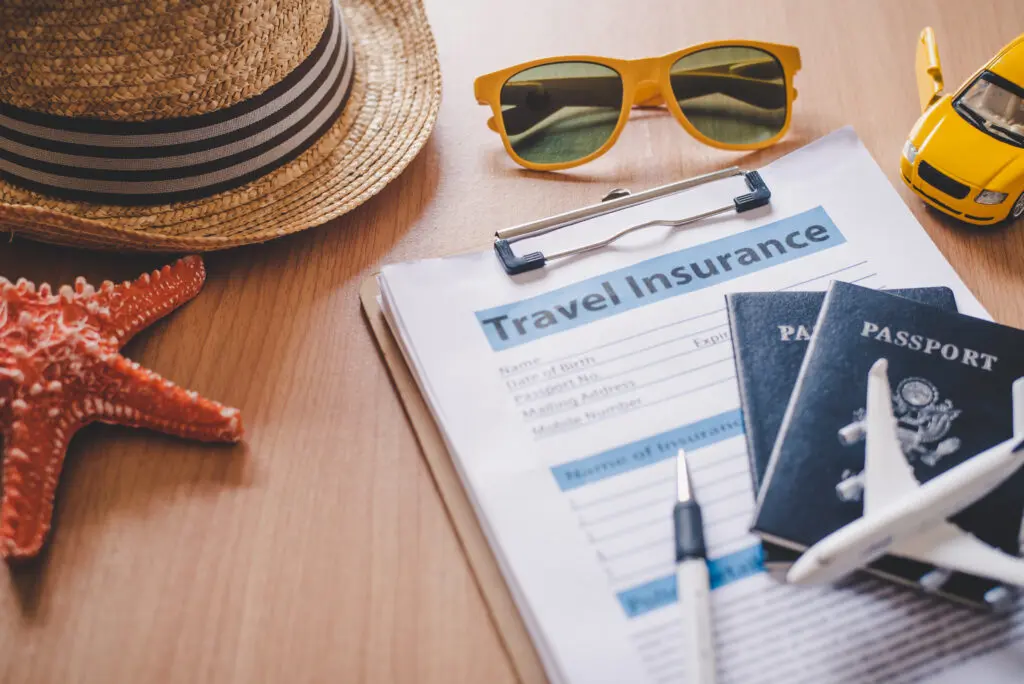
I’m going to be honest with you: this is the mistake that keeps me up at night. Not because I’m pushing insurance on people, but because I’ve seen too many travelers lose tens of thousands of dollars because they skipped this step.
Travel insurance feels like an unnecessary expense when you’re booking. You’re healthy, your plans are solid, what could go wrong? And then something does. A family emergency. A job situation that changes unexpectedly. A health issue that makes flying risky. A natural disaster that shuts down your destination. Suddenly, that $200 insurance policy looks like the smartest investment you ever made.
I had a client who booked a two-week trip to Europe with her sister. They were both excited, had been planning it for months. Two weeks before departure, Margaret’s sister had a stroke. Margaret called me in tears, asking if there was any way to get her money back. The flights were non-refundable. The hotels had a strict cancellation policy. Without travel insurance, she would have lost over $4,000.
Because I’d recommended travel insurance when she booked, she recovered almost everything. The policy covered the cancellation, and she was able to reschedule her trip for the following year when her sister had recovered. It was the difference between a financial disaster and a temporary setback.
Here’s what most people don’t understand about cancellation policies: they’re getting stricter, not looser. Hotels that used to offer free cancellation up to 48 hours before arrival now often require 72 hours or more. Some properties are moving toward non-refundable rates being the default. Airlines have changed their policies so many times in the last few years that most people don’t know what they’re actually entitled to.
Travel insurance covers cancellations due to illness, injury, family emergencies, and sometimes even weather events or civil unrest at your destination. It also covers medical emergencies while you’re traveling, lost luggage, and trip delays.
Don’t skip this step. It’s one of the most important protections you can purchase, and it’s usually less than 5 to 10 percent of your total trip cost.
Mistake Number Three: Not Booking Peak Season Activities in Advance

This one is about timing and planning, and it’s where a lot of experienced travelers trip themselves up. You’ve traveled enough to know what you want to do, so you figure you’ll just book activities when you arrive at your destination. Flexibility, right?
Wrong. Not for the things that matter.
I’m talking about the experiences that are actually worth traveling for. The hot air balloon ride in Cappadocia. The wine tasting tour in Napa. The guided safari in Tanzania. The cooking class with a Michelin-starred chef in Paris. These aren’t things you can just walk up and book on the day you want to do them, especially during peak season.
What happens is you arrive at your destination excited and ready to book that hot air balloon ride you’ve been dreaming about, only to find out it’s fully booked for the next week. You settle for something less memorable because it’s available. You spend time hunting for alternatives instead of enjoying your vacation. You pay premium prices because you’re booking last-minute.
I had a couple who visited New Zealand but didn’t book their Milford Sound cruise in advance. They got there, tried to book, and the next available cruise was four days away. They had to either wait around or skip the experience entirely. They chose to skip it, and both told me it was their biggest regret from the trip.
The solution is to book the experiences you really care about before you leave home. Not everything, but the signature activities, the things that are unique to that destination, the experiences you’re actually traveling for. Work with a travel advisor who can make these bookings for you and ensure you get good times and competitive rates. We have relationships with tour operators and activity providers that allow us to secure spots and sometimes even discounts that aren’t available to the general public.
Mistake Number Four: Underestimating the Cost of Getting Around

This is a subtle one because it doesn’t feel like a big deal when you’re booking. You figure out the cost of flights and hotels, you add them up, and you think you know what the trip will cost. Then you arrive and realize you’ve massively underestimated how much you’ll spend getting from place to place.
Airport transfers, taxis, rental cars, public transportation, parking, tolls, fuel. These costs add up faster than you’d think. And if you’re not careful, you can spend more on transportation than you do on accommodations.
I had a client, James, who booked a road trip through California without thinking through the logistics. He rented a car at the airport, which was expensive. He didn’t anticipate parking fees in San Francisco and Los Angeles. He paid for tolls on highways he didn’t know had tolls. He filled up the rental car with premium gas because he didn’t check what the car required. By the end of the trip, he’d spent nearly $1,200 on transportation costs that he hadn’t budgeted for.
The mistake was booking the car at the airport without shopping around, not researching parking costs in advance, and not understanding the true cost of the rental, including fuel and tolls.
Here’s how to avoid this. Before you book, research transportation costs for your destination. If you’re renting a car, compare prices across multiple rental companies, not just the ones at the airport. Look into public transportation options and their costs. Factor in airport transfers or ride-sharing. If you’re using taxis or ride-sharing services like Uber, check the average cost of a ride from the airport to your hotel.
A travel advisor can help you map this out. We know which destinations are best explored by car, which ones are better navigated by public transportation, and where transportation costs can balloon unexpectedly. We can also help you book transfers in advance, often at better rates than you’d pay booking on the spot.
Mistake Number Five: Not Leveraging Your Travel Advisor for Personalized Recommendations and Problem-Solving

This is the big one, and I’m going to be direct with you: if you’re not working with a travel advisor, you’re making your own job harder and probably spending more money.
I know what you’re thinking. You’re experienced. You’ve done the research. You know how to use Google. You can find good restaurants and hotels on your own. And you’re right, you can. But here’s what you can’t do: you can’t have a relationship with a hotel manager who will upgrade your room if there’s availability. You can’t access the group rates that travel advisors negotiate with hotels. You can’t get the insider information about a destination that comes from someone who’s been there, worked with local partners, and stayed current with what’s actually happening on the ground right now.
Travel advisors aren’t gatekeepers of information anymore. We’re problem-solvers and relationship-builders. We’re the people who know that the restaurant you wanted to book in Rome just closed, so we recommend something equally good. We’re the ones who know that the hotel you’re considering just renovated their rooms, or conversely, that they’re going through renovations and you should book somewhere else. We’re the people who can call a hotel directly if something goes wrong with your reservation.
Travel advisors also handle the things that take time and mental energy. We track your flights and alert you to price drops so you know you got a good deal. We manage your itinerary, coordinate with hotels and tour operators, and ensure everything is confirmed. We’re available if something goes wrong while you’re traveling. We remember your preferences, so your next trip is booked even better than the last one.
For experienced travelers, working with a travel advisor isn’t about hand-holding. It’s about expertise, relationships, and someone who’s invested in making sure your trip is exactly what you want it to be.
The Bottom Line
You’ve earned the right to travel well. You’ve got the experience, the sense of adventure, and the means to go places. What you might not have is the time to research every detail, the relationships to unlock special rates and experiences, and the insider knowledge to avoid costly mistakes.
These five mistakes are completely preventable. You don’t have to learn them the hard way. You don’t have to lose money, waste time, or settle for less than the trip you’re dreaming about.
Here’s what I want you to do: contact me today to plan your next vacation. Let’s work together to avoid these costly mistakes and create a trip that’s tailored to exactly what you want. Whether you’re planning a relaxing beach getaway, an active adventure, a cultural exploration, or a multi-country journey, I’m here to make it happen. I’ll handle the details, leverage my relationships and expertise, and make sure your trip is everything you hope it will be.
You’ve got places to go. Let’s make sure you get there smart.