
Ecuador: Where Depth Meets Discovery
If you’ve spent years crossing continents, you know the difference between a destination that performs for the camera and one that actually delivers. Ecuador falls squarely in the second category. It’s compact, biodiverse, and refreshingly free of the tourist theater that plagues so many bucket-list spots. You get four distinct ecosystems in a country roughly the size of Colorado, which means you’re spending your time experiencing places instead of just getting to them.
What makes Ecuador particularly compelling is how it balances accessibility with authenticity. The infrastructure works. The food is exceptional. The cultural encounters feel genuine because they are. And unlike destinations where “off the beaten path” requires a machete and a satellite phone, Ecuador’s lesser-known corners are surprisingly easy to reach.
Why Ecuador Works for Seasoned Travelers
You’ve done the European capitals. You’ve navigated Southeast Asia. You’ve probably even tackled a few challenging itineraries that tested your patience more than they rewarded your curiosity. Ecuador offers something different: substance without struggle.
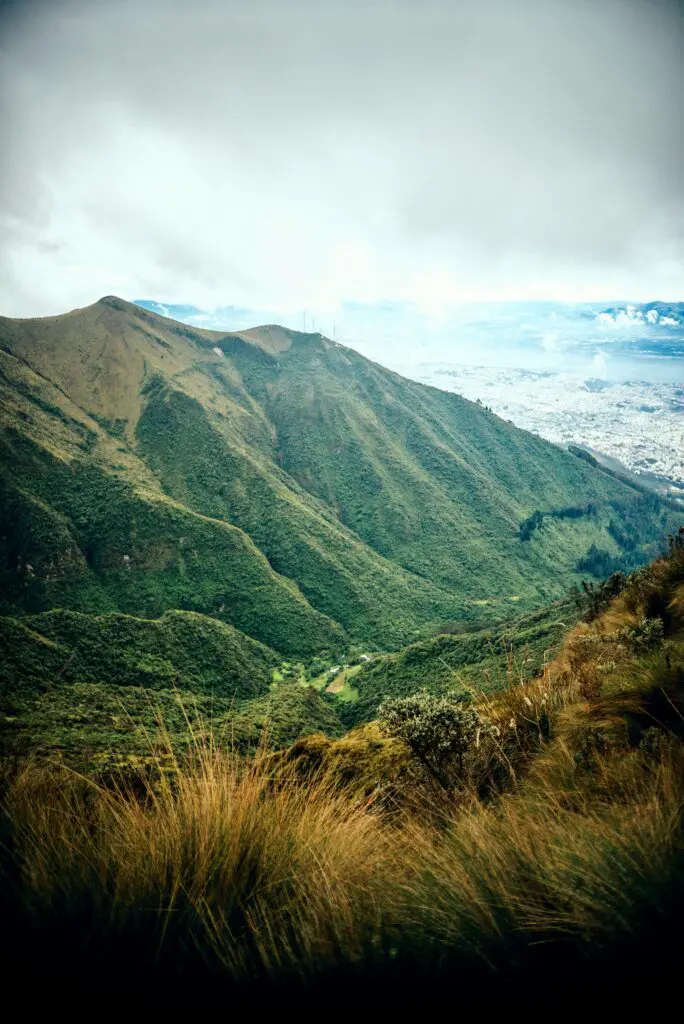
The country sits on the equator (hence the name), which gives it remarkable biodiversity. We’re talking about one of the most species-dense regions on the planet. Cloud forests, volcanic highlands, Amazon rainforest, and Pacific coastline all exist within a few hours of each other. That geographic compression means you can design a trip with real variety without spending half your vacation in transit.
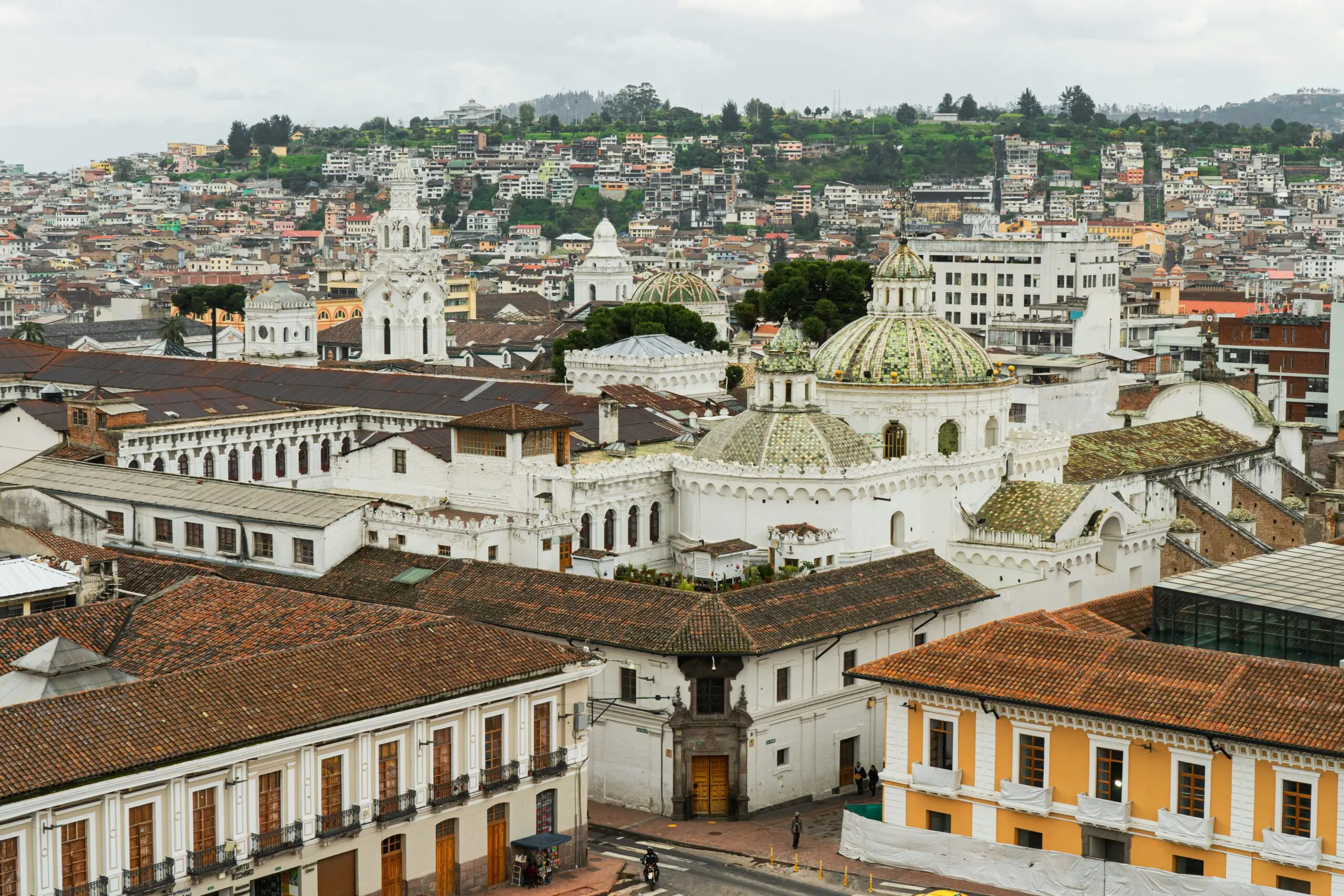
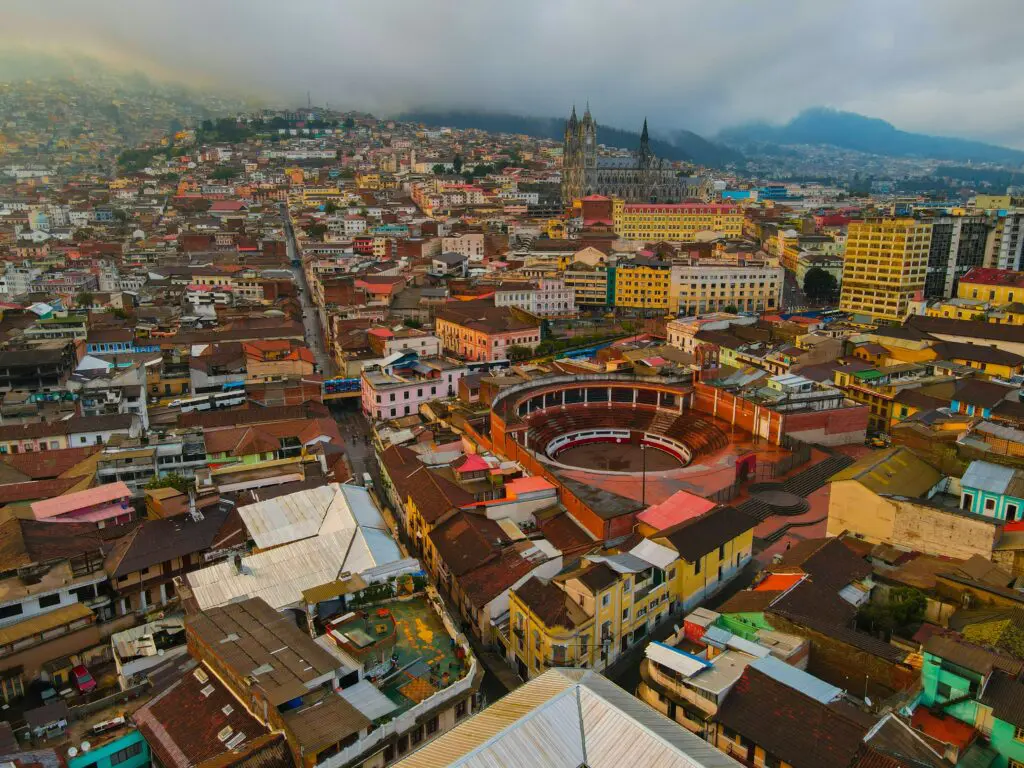
Quito, the capital, sits at 9,350 feet and serves as an excellent base. The historic center is a UNESCO World Heritage site, and unlike many colonial cities that feel frozen in amber, Quito is genuinely lived-in. You’ll find working markets, neighborhood cafes, and local life happening around you, not staged for you.
Getting There and Getting Around
Most international travelers fly into Quito, the capital, which sits at 9,350 feet in the Andean highlands. The city’s Mariscal Sucre International Airport (UIO) has direct flights from major U.S. hubs—Miami, Houston, Atlanta, and New York all have regular service. Flight times typically run 5 to 6 hours from the East Coast, which is entirely reasonable. If you’re coming from the West Coast, you might have a connection, but the total travel time rarely exceeds 10 to 12 hours.
Visas are straightforward for U.S. citizens. You get 90 days as a tourist upon arrival—no advance visa required. Just bring a valid passport (valid for at least six months beyond your travel dates) and proof of onward travel. That’s it. No applications, no waiting, no stress.
Currency-wise, Ecuador uses the U.S. dollar, which removes an entire layer of complexity from your trip. You don’t need to worry about exchange rates or currency conversions. Just use ATMs (which are plentiful in cities and larger towns) to withdraw cash, and you’re set. Credit cards work in most established restaurants and hotels, but cash is still king in smaller towns and markets.
Getting around within Ecuador depends on where you’re headed. If you’re staying in the highlands and visiting places like Quito and nearby cloud forests, you can hire a driver or use ride-sharing apps like Uber, which operate in Quito and other major cities. This is actually my preferred method for most mature travelers—it gives you flexibility, eliminates navigation stress, and costs far less than you’d expect.
For longer distances between regions, you have options. Domestic flights are affordable and efficient if you want to skip the bus journey. TAME and LATAM operate regional routes connecting Quito, the Amazon gateways, and the coast. A flight from Quito to the Amazon town of Coca, for instance, takes about an hour and costs less than $100. That’s a smart investment in your comfort and time.
If you prefer overland travel, the bus system is extensive and generally reliable, though buses can be crowded and journeys are slow. Most experienced travelers in your demographic opt for flights or private drivers for intercity travel—it’s worth the modest extra cost for the comfort and flexibility.
Taxis are everywhere and cheap. A ride across Quito rarely exceeds $5 to $8. Just make sure you use official taxis (yellow with a number on the side) or call a taxi company rather than hailing one on the street, particularly at night.
The Best Time to Visit Ecuador
Here’s where Ecuador’s equatorial location becomes genuinely useful: the country doesn’t have a single “season” the way tropical destinations often do. Instead, it has wet and dry periods that vary dramatically by region.
In the highlands where Quito sits, you’re generally looking at a dry season from June through September and December through January. The rest of the year sees afternoon rain, but “rain” in the highlands often means a few hours in the afternoon, not all-day downpours. Temperatures in Quito stay remarkably consistent year-round—think 50 to 65 degrees Fahrenheit depending on the time of day. You’ll want layers regardless of when you visit.
The Amazon has a similar pattern, though it’s wetter overall. The “drier” months are August through October and December through February, but understand that “drier” in the Amazon is relative. You’re still in a rainforest. The advantage of visiting during these months is that water levels are lower, which can make wildlife spotting slightly easier and some lodges more accessible.
The coast has its own rhythm. The warm season runs from December through April, with temperatures in the 80s and 90s. The cooler, drier season is June through November. The Galápagos, if you’re considering that, is warm year-round but has distinct seasons affecting wildlife viewing. December through May brings warmer water and different marine life patterns than June through November.
The practical advice: if you’re visiting multiple regions, pick a time that works reasonably well for all of them rather than optimizing for one. June through September or December through January tend to be solid choices because they work across the highlands and Amazon. If you’re primarily interested in the coast or Galápagos, plan accordingly, but know that Ecuador’s weather is generally manageable whenever you visit.
One more consideration: avoid the peak tourist season if you’re seeking a quieter experience. July and August, plus December and January, see more international visitors. April, May, September, and October tend to be sweeter spots—good weather, fewer crowds, better availability with guides and accommodations.
Must-See Destinations in Ecuador
Quito and the Highlands
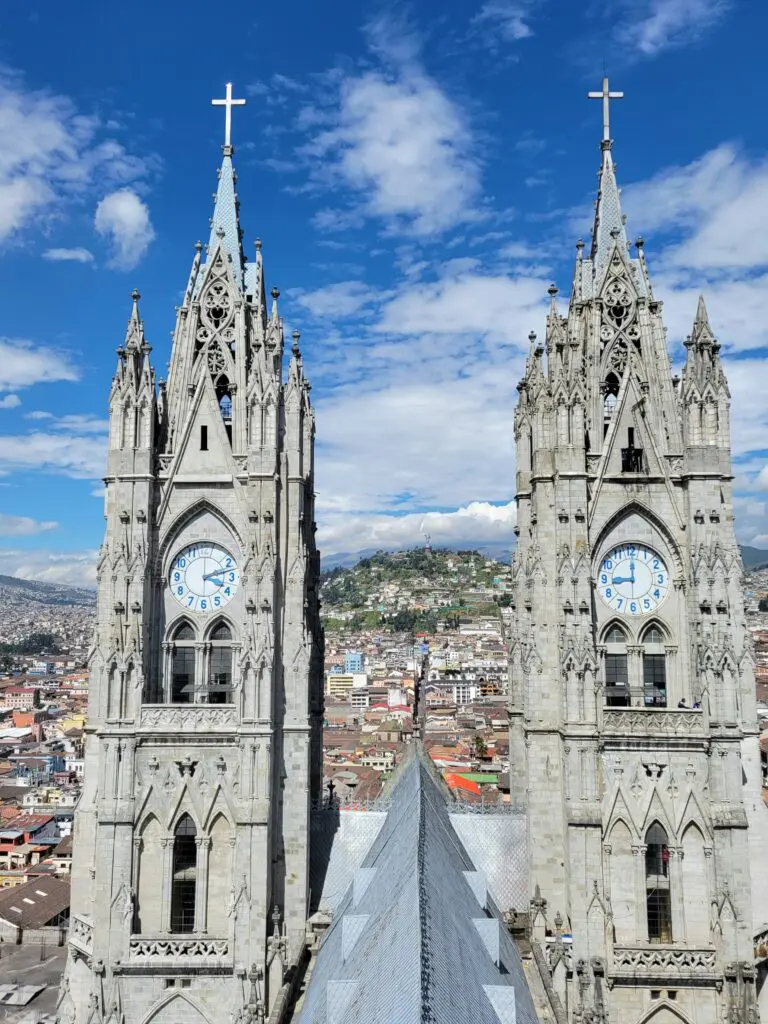
Quito is where most trips begin, and it deserves more than a quick overnight. The historic center is genuinely beautiful—cobblestone streets, colonial architecture, churches with interior gold leaf that’s almost overwhelming in its excess. The Basilica del Voto Nacional is stunning from the outside and worth climbing for the views (though the stairs are steep, so know yourself here). The Museo del Banco Central has an exceptional collection of pre-Columbian art that gives you real context for the cultures you’re encountering.
But here’s what makes Quito special: it’s a working city, not a museum. You’ll find excellent restaurants, independent bookstores, galleries, and cafes. Spend time in neighborhoods like La Floresta and Mariscal, where you’ll find the actual life of the city rather than just tourist attractions.
If Quito feels too urban or too touristy, head south to Cuenca. It’s smaller, quieter, and arguably more charming. The city has a significant expat community, which tells you something about its livability. The climate is mild year-round, the cost of living is reasonable, and the pace is decidedly unhurried.
Cuenca and the Southern Highlands
Cuenca’s appeal lies in its walkability and its blend of colonial architecture with modern amenities. You’ll find excellent restaurants, artisan markets, and a genuine arts scene. It’s also a gateway to Cajas National Park, a high-altitude wilderness area with hundreds of glacial lakes and hiking trails that range from easy strolls to full-day treks.
The southern highlands also give you access to indigenous communities and traditional markets that offer genuine cultural immersion without the commercialization you’ll encounter in more touristed regions.
The Galápagos
The Galápagos deserves its own conversation because it’s genuinely unique and requires specific planning. These volcanic islands, 600 miles off the coast, are where Darwin developed his theory of evolution, and the wildlife is unlike anywhere else on Earth. You’ll see giant tortoises, marine iguanas, blue-footed boobies, and seals with virtually no fear of humans.
Visiting the Galápagos is regulated—you can’t just wander around. You either stay on one of the inhabited islands (Santa Cruz or San Cristóbal) and take day trips, or you book a cruise that visits multiple islands. For travelers in your demographic, the inhabited island approach often works better. You get a comfortable bed, good restaurants, and the ability to set your own pace rather than following a ship’s schedule.
The logistics matter here. You’ll want to book through someone who knows the islands well, because not all boats and itineraries are created equal. Some focus heavily on snorkeling and diving, others emphasize hiking and wildlife observation. The right fit depends on your interests and physical comfort level. The islands are remote, and while the experience is extraordinary, it’s not a casual add-on to a mainland trip.
The cost is higher than mainland Ecuador, but it’s a bucket-list destination for good reason. Plan for at least four to five days if you’re going to make it worthwhile.
The Amazon
The Ecuadorian Amazon is accessible in a way that larger Amazon regions aren’t. You can reach it via a short flight from Quito, and the lodges range from comfortable to luxurious. This isn’t roughing it in the jungle—it’s experiencing the rainforest with proper amenities.
Most Amazon trips operate from either Coca or Misahuallí. You’ll stay at a lodge and take guided walks and canoe trips into the forest. Early mornings and late afternoons are prime wildlife viewing times—birds, monkeys, pink river dolphins if you’re lucky. A good guide is essential; they’ll spot things you’d never see on your own and provide context that transforms the experience from “I saw a lot of trees” to genuine understanding of how the ecosystem functions.
The lodges vary in comfort level. Kapawi Ecolodge, for instance, is genuinely luxurious while maintaining an eco-conscious approach. Napo Wildlife Center is another excellent option. You’re not camping; you’re staying in comfortable rooms with electricity and hot water, eating well-prepared meals, and exploring with expert guides. This is the right approach for travelers at this stage of life.
Plan for at least three days in the Amazon to make the journey worthwhile. Two days feels rushed; four or five allows you to really settle in and understand the place.
Guided Tours and Experiences Worth Your Time
At this point in your travel life, you know the difference between a tour that educates and entertains versus one that just moves you through checkpoints. Ecuador offers plenty of excellent options if you know where to look.
Specialized Nature and Culture Tours
Several operators focus specifically on the kind of thoughtful, in-depth experiences that appeal to mature travelers. Look for operators that emphasize small group sizes (six to eight people maximum), expert guides, and flexibility to spend real time in places rather than rushing through.
For Amazon experiences, booking directly with a lodge is often better than going through a tour operator. Lodges like Napo Wildlife Center and Kapawi have their own guides and can customize experiences based on your interests and physical abilities.
For highlands experiences, consider booking a private guide in Quito or Cuenca who can take you to markets, colonial sites, and smaller towns at your pace. This is more expensive than group tours but infinitely more rewarding. A good guide transforms a visit to Otavalo market from “I saw stuff” to genuine cultural understanding.
Birdwatching
If you’re a birder or interested in becoming one, Ecuador is exceptional. The country has over 1,600 bird species—more than any other country of similar size. The cloud forests around Quito are particularly rich. Operators like Neblina Forest and Bellavista Cloud Forest Lodge offer guided birdwatching experiences with expert ornithologists. Even if you’re not a serious birder, a morning birdwatching walk in a cloud forest is genuinely magical.
Cooking Classes
Several operators in Quito and Cuenca offer cooking classes that teach you traditional Ecuadorian cuisine. These typically involve a market visit followed by hands-on cooking instruction. It’s a wonderful way to engage with local food culture and come home with actual skills.
Hacienda Stays
Ecuador has several historic haciendas (rural estates) that operate as small hotels. Staying at one—particularly in the highlands—gives you a sense of how the countryside actually functions. You can participate in farm activities, ride horses, and experience rural life with comfort. Hacienda Zuleta and Hacienda Cusin are both excellent.
Responsible Tourism Considerations
As an experienced traveler, you probably think carefully about the impact of your visits. Ecuador’s tourism industry is still relatively small, which means your choices actually matter. Prioritize lodges and operators with strong environmental practices. Support local guides rather than large tour companies when possible. Buy directly from artisans rather than tourist shops. Eat at local restaurants rather than international chains. These choices keep money in local communities and reduce environmental impact.
Practical Tips for Traveling to Ecuador
Let’s cover the stuff that actually matters when you’re on the ground.
Health Considerations
Ecuador is generally safe from a health perspective, but a few precautions make sense. Yellow fever vaccination is recommended if you’re visiting the Amazon or coastal regions below 2,300 meters. It’s not required, but it’s smart. Get it at least 10 days before travel.
Malaria is present in some lowland areas, particularly the Amazon. Consult with a travel medicine doctor about whether prophylaxis makes sense for your itinerary. Most travelers to the highlands and Galápagos don’t need it; those spending significant time in the Amazon should consider it.
Altitude affects people differently. Quito sits at 9,350 feet, which is high enough to cause mild altitude sickness in some people. The best approach: arrive in Quito and spend your first day or two there at a relaxed pace before heading to higher elevations or more active pursuits. Stay hydrated, avoid heavy alcohol, and don’t overexert yourself the first day. Most people acclimate within 48 hours.
Tap water in Quito, Cuenca, and other major cities is safe to drink. In smaller towns and rural areas, stick to bottled water. Restaurants generally serve safe water, but when in doubt, ask.
Safety
Ecuador is safer than many destinations in Central America, but petty theft happens in major cities. Use the same precautions you’d use in any major city: don’t flash expensive jewelry or cameras, keep valuables in your hotel safe, use official taxis or ride-sharing apps at night. Avoid walking alone in unfamiliar neighborhoods after dark. These are basic urban travel practices, not Ecuador-specific warnings.
The neighborhoods where tourists spend time—La Floresta in Quito, the historic center in Cuenca, tourist areas in the Amazon—are generally safe and well-traveled by visitors.
Planning a trip to Ecuador? Whether you’re drawn to the colonial cities, the cloud forests, or the Galápagos, I can help you design an itinerary that matches your travel style and interests. Let’s start planning your Ecuador adventure.