
Málaga has a reputation problem. It is one of the busiest airports in Spain and one of the least explored cities on the same itinerary. Most travelers land here, collect their bags, rent a car, and drive straight to wherever they actually planned to go. Marbella. Nerja. Granada. Anywhere but Málaga itself. This is why you need to read the Málaga Spain Travel Guide.
That is a significant miss.
We just spent several days using Málaga as our Costa del Sol base on a recent Andalusia trip and came back with a clear opinion: this city deserves more than an airport layover. It has excellent food, genuinely impressive history, a walkable historic center, and a location that makes it one of the most practical bases in all of southern Spain. Here is the honest guide.
WHAT MÁLAGA ACTUALLY IS
For those considering a visit, the Málaga Spain Travel Guide offers insights that will enhance your experience in this vibrant city.
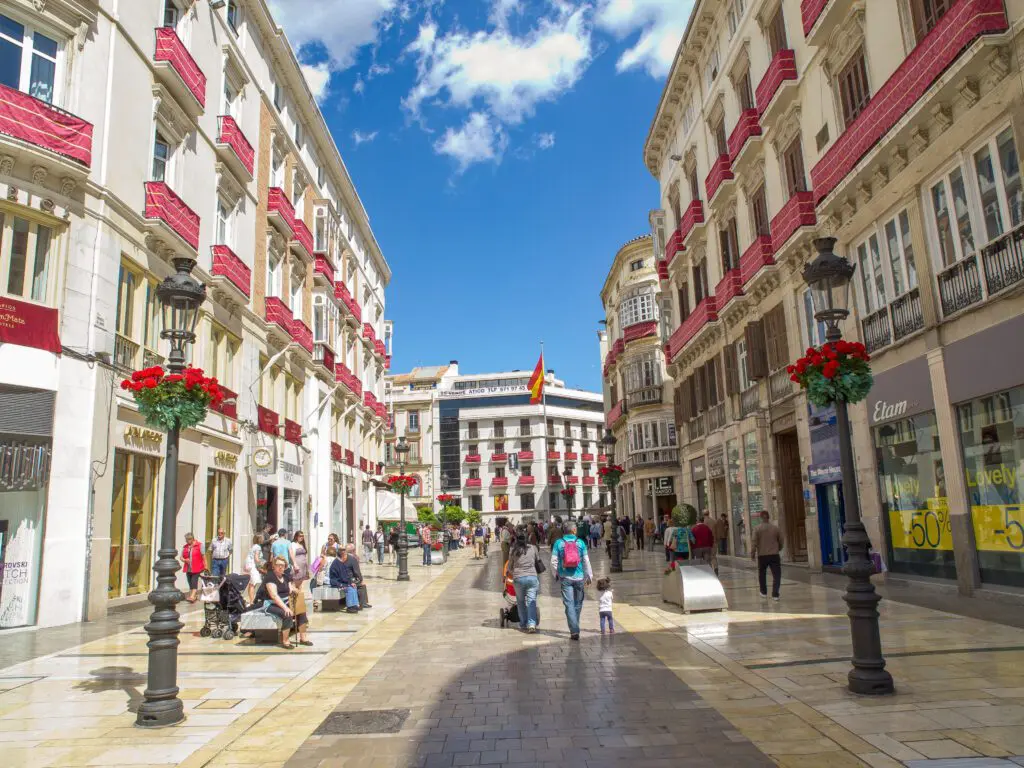
Málaga is a proper city, not a resort town. It has been continuously inhabited for over 2,800 years and has the layers to prove it. Phoenician, Roman, Moorish, and Christian histories have all left visible marks on the urban landscape, often within a few hundred meters of each other. The Alcazaba and the Roman Theatre sit at the base of the same hill. The Cathedral rises over the historic center. The Picasso Museum occupies the palace where Pablo Picasso was born.
None of that is incidental. It is the substance of a city that has been at the crossroads of Mediterranean history for millennia and has the architecture, the food culture, and the character to show for it.
THE ALCAZABA
The Alcazaba is the first thing you should do in Málaga, ideally in the morning before the heat and the crowds build. It is an 11th century Moorish fortress palace built on a hill above the city and the port, and for the entrance fee it is absolutely worth going inside.
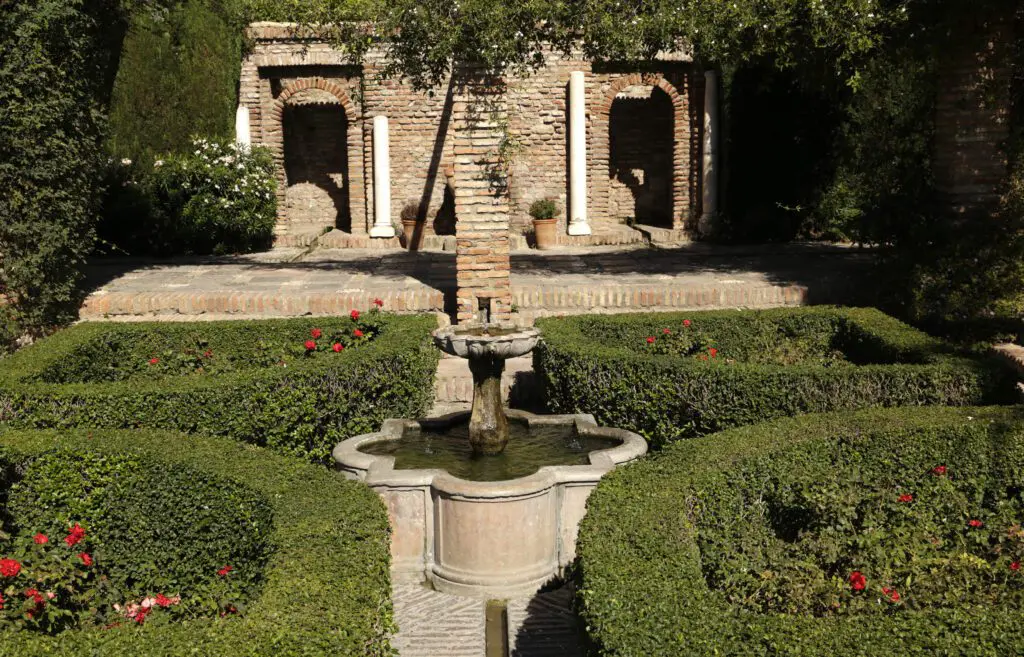
The gardens and terraced ramparts are beautiful to walk through, the horseshoe arches and tiled courtyards carry the characteristic elegance of Moorish Andalusia, and the views from the upper levels over the city and the Mediterranean are excellent. It is not as elaborate as the Alhambra in Granada but it is significantly less crowded and gives you a genuinely good introduction to the Moorish architectural tradition before you encounter it at larger scale elsewhere in Andalusia.
At the base of the Alcazaba, directly below the fortress walls, sits the Teatro Romano, a partially excavated Roman theatre that dates to the first century BC. It is free to view and the juxtaposition of a Roman theatre at the foot of a Moorish fortress, with a Gothic cathedral visible in the distance, is about as clear a visual summary of Málaga’s layered history as you will find anywhere.
THE CATHEDRAL AND THE MISSING TOWER
Málaga’s Cathedral is known locally as La Manquita, which translates roughly as the one-armed lady. Construction began in the 16th century and was never finished. One of the two planned towers was abandoned mid-construction, reportedly because the funds intended for it were redirected to support the American Revolution. Whether that story is entirely accurate is debated, but the asymmetry is real and visible from across the city.
The interior is worth a visit for the choir stalls alone, which are considered among the finest examples of baroque woodcarving in Spain. The pipe organ is also exceptional. Entry is ticketed and relatively inexpensive.
PABLO PICASSO AND THE CITY'S ARTISTIC IDENTITY
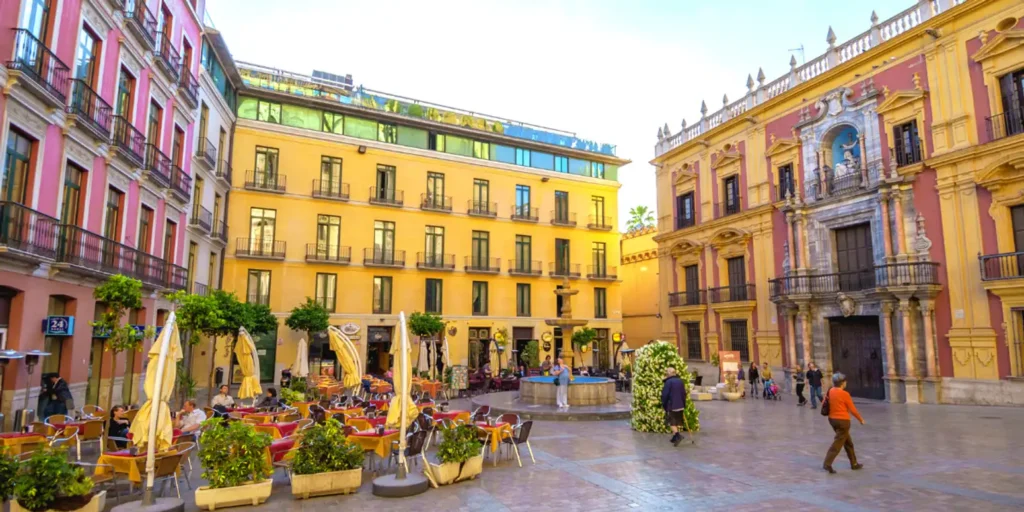
Picasso was born in Málaga in 1881 and the city takes that connection seriously. The Picasso Museum Málaga is housed in the Palacio de Buenavista in the historic center and contains a substantial permanent collection donated by Picasso’s daughter-in-law and grandson. It is one of the better Picasso museums in the world and worth a dedicated visit if you have any interest in his work.
The house where Picasso was born, just off the Plaza de la Merced, is also open to visitors as a small foundation museum. The Plaza de la Merced itself is a pleasant open square with a statue of Picasso and a generally relaxed atmosphere that makes it a good place to sit and orient yourself before continuing into the historic center.
EL PIMPI
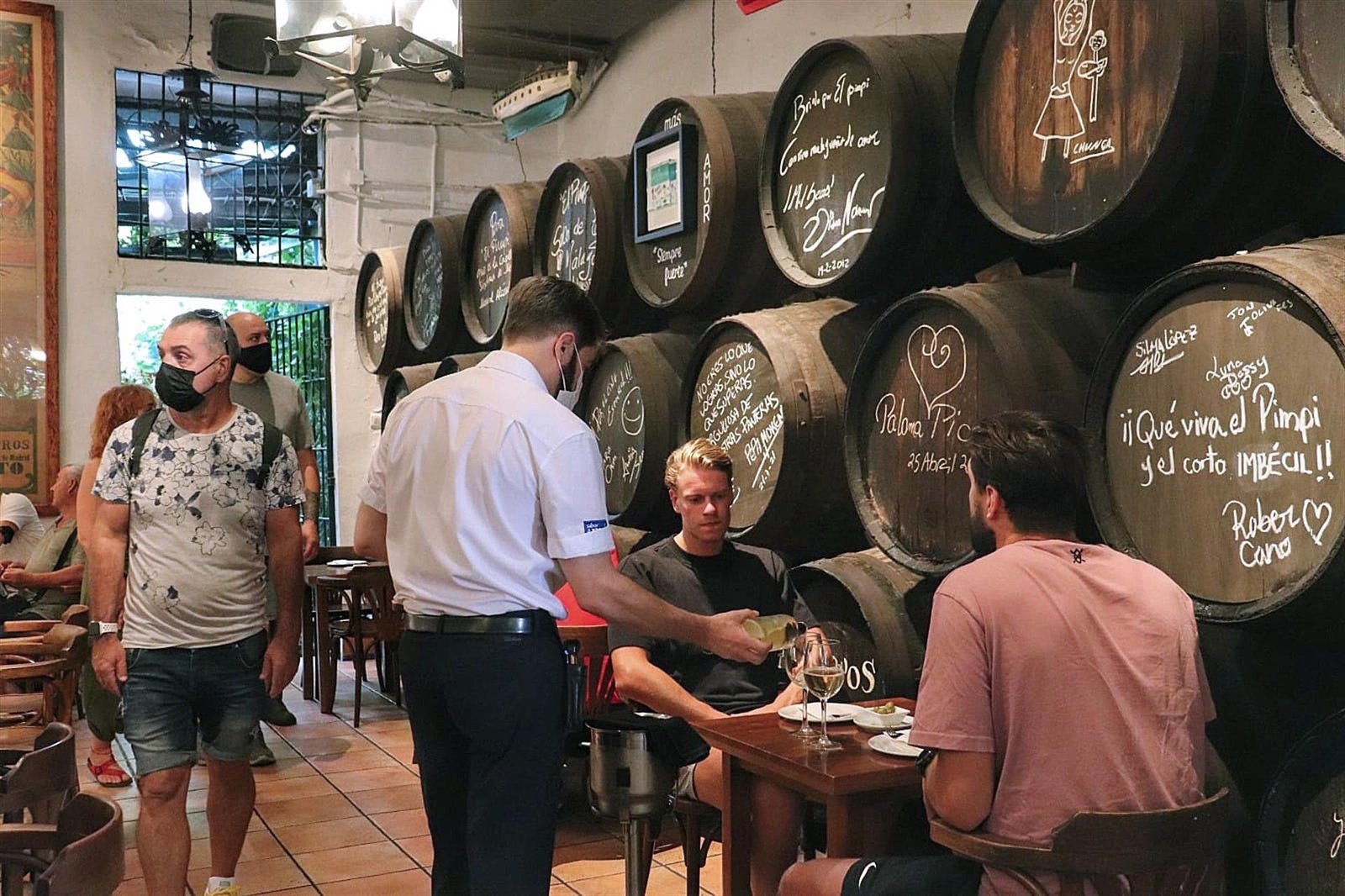
El Pimpi has been open since 1971 and is essentially a Málaga institution at this point. It is sprawling, atmospheric, and full of locals and tourists in roughly equal measure, which is a reliable sign that a place is doing something right. The interior is a labyrinth of connected rooms decorated with bullfighting memorabilia, signed photographs, and wine barrels bearing the signatures of various celebrities who have passed through.
We stopped in during a rainstorm, ordered wine and a tapa, and ended up staying considerably longer than planned. That is exactly what El Pimpi is designed to make happen and it is entirely successful at it. Go for drinks at minimum. The wines by the glass are well chosen and the tapas are solid. Make a reservation if you are visiting in peak season because it fills up.

THE MÁLAGA WINE AND TAPAS TOUR
The single most efficient way to understand a city’s food culture quickly is a well-run food tour, and Málaga has one worth doing. We completed the Málaga Wine and Tapas Tour, which covers four stops through the historic center, each pairing a local wine with a traditional Andalusian dish.
The first stop was Antigua Casa de Guardia on Calle Pastora, one of the oldest wine bars in the city, open since 1840, where the house wines are poured directly from barrels behind the bar. We had an onion and fish skewer that was deceptively simple and genuinely good.
The second stop was Bottega Wine Bar on Calle Mártires for an assortment of cured meats with local wines. More contemporary in feel and a useful contrast to the first stop.
The third stop was Taberna la Gloria on Calle Beatas for roasted pepper salad and an eggplant dish. Málaga’s cuisine has a strong vegetable tradition alongside the meat and seafood, and this stop was a good reminder of that.
The fourth stop was Eme de Mariano on Calle Cister for fish soup and paella to finish. A proper sit-down final course that gave the evening a satisfying structure.
The wines were well matched throughout and the guide provided good context for each dish and its place in Málaga’s culinary history. This is a worthwhile investment of an evening for anyone who wants to eat well and understand what they are eating.

MUELLE UNO AND THE WATERFRONT
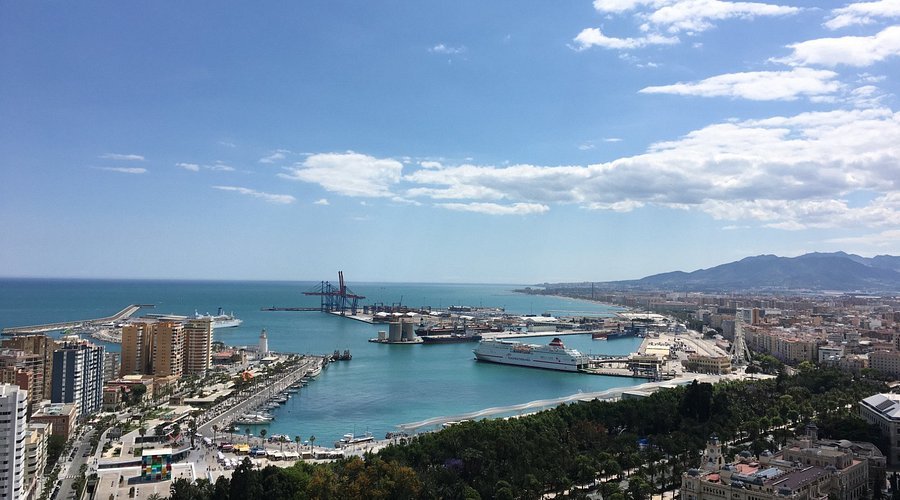
The Muelle Uno is the renovated port area east of the historic center, a waterfront promenade lined with restaurants, shops, and the Centre Pompidou Málaga, which houses a permanent collection of modern and contemporary art in a striking multicolored cube structure. The waterfront walk connecting the port to the city center is pleasant in the evenings and gives a good sense of how Málaga functions as a working Mediterranean city rather than just a tourist destination.
THE CASE FOR TORREMOLINOS AS YOUR BASE
Here is a practical note that affects how you experience Málaga. If your trip to Andalusia includes beach time on the Costa del Sol as well as city days, Torremolinos makes an excellent base. It is about 20 minutes west of Málaga on the Cercanías commuter train, costs almost nothing to ride, and runs frequently throughout the day.
Torremolinos is honest about what it is: a beach resort built for summer holidays. The Paseo Marítimo along the waterfront is lovely for a morning walk, the beach is wide, and the accommodation is significantly cheaper than staying in Málaga city center. Come in July or August when the weather delivers on the promise of a beach holiday. April, as we found, can be beautiful but is not reliably warm enough for beach days.
What the Torremolinos base gives you is flexibility. Málaga is 20 minutes on the train. Gibraltar is about 90 minutes west by car. Granada is about an hour east by car or two hours by train. Córdoba is under two hours by train from Málaga. If you want to see multiple cities in Andalusia without changing accommodation every other night, anchoring on the Costa del Sol and making day trips is a genuinely effective way to do it.
MÁLAGA AS A DAY TRIP HUB
The day trip geography from Málaga is worth spelling out because it is one of the best-positioned cities in Andalusia for exactly this kind of trip. Granada and the Alhambra are close enough to do in a day, though we would always recommend staying overnight in Granada if the schedule allows. Córdoba is a very comfortable day trip by train. Gibraltar is perfectly manageable as a day trip with an early start. Even Seville, while a longer journey, is doable from Málaga by high-speed train.
As a travel advisor, this is the kind of logistical detail that shapes an entire itinerary. Where you base yourself determines what becomes possible without exhausting yourself in transit. Málaga and the surrounding Costa del Sol consistently earn their place on our Andalusia itineraries for exactly this reason.
PRACTICAL TIPS BEFORE YOU GO
- Take the Cercanías train between Torremolinos and Málaga rather than driving. It is 20 minutes, it costs almost nothing, and parking in the city center is not worth the effort.
- Go to the Alcazaba in the morning. The light is better and the crowds are smaller.
- Book El Pimpi for dinner if you are visiting between June and September. It fills up.
- The Málaga food tour covers the historic center efficiently and is worth an evening.
- The Picasso Museum is worth a dedicated half day if you have any interest in modern art.
- Torremolinos is a high season destination. If the beach holiday is the main event, come between June and September.
Málaga is the most underestimated city in Andalusia and possibly in all of Spain. It has the history, the food, the architecture, and the geographic position to anchor an extraordinary trip. Most people fly over it. The ones who actually stop are consistently glad they did.
If you are building an Andalusia itinerary and want help making sure Málaga gets the time it deserves alongside everything else the region has to offer, that is exactly the kind of trip we build at THK Travel Advisors. Every itinerary is completely tailor-made. Reach out at thktravel.com or call us at 408-785-8340 and let’s start planning your journey.